Withdrawal help Lexington
You want a safe place for the first days. Comparing levels of care helps you ask better questions about withdrawal help in Lexington.
- provide detox
- 6
- offer alcohol detox
- 5
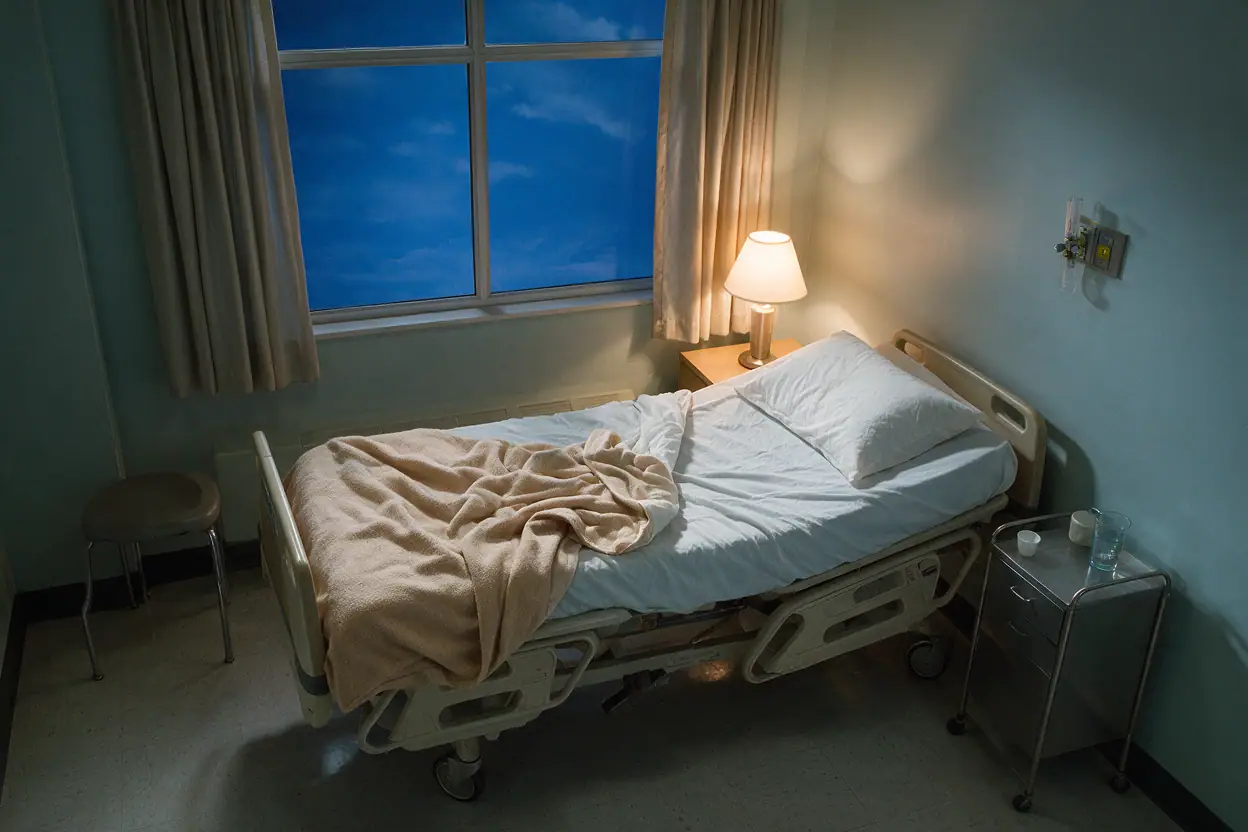
If you are the one making calls for someone you love, you want two things quickly: a safe place for the first days and a plan for what follows. Searches for withdrawal help Lexington return long lists, and many results are provider profiles rather than plain information.
A single facility can appear under more than one service type, so entries outnumber buildings. Lexington rehabs listed through SAMHSA include several levels of care within 30 miles.
Alcohol withdrawal timing in Lexington
Per MedlinePlus, alcohol withdrawal symptoms usually start within 8 hours after the last drink, though they can occur days later, and usually peak by 24 to 72 hours. Where someone spends the first night can depend on what a clinician or the program recommends. A clinician or the program can explain what detox involves.
Timing continues past the first day. MedlinePlus describes symptoms peaking by 24 to 72 hours and, in some cases, continuing for weeks, with sleep changes, mood swings and fatigue that may last for months. Someone in Lexington KY can call a center and ask how it handles the first days; the answer tells you whether the program watches people around the clock or sends them home each evening.


Withdrawal help Lexington safety checks
- MedlinePlus (NIH) says alcohol withdrawal symptoms usually start within 8 hours of the last drink and peak by 24 to 72 hours, and that severe withdrawal needs medical care
- MedlinePlus (NIH) says severe withdrawal needs medical care.
- A clinician or the program can explain what medically monitored detox involves.
- If the person also has a mental health condition, ask for a program that screens for both. A Lexington center can explain how it screens for both conditions.
Opioid withdrawal and care in Lexington
According to MedlinePlus, opioid withdrawal generally begins within 12 hours of the last heroin use and within 30 hours of the last methadone dose. A clinician or the program can explain whether outpatient services or residential care is the right starting point.
Ask whether a Kentucky program offers a free assessment and whether it uses medication for opioid use disorder as part of a treatment plan.

Questions
What are the three types of rehab for withdrawal help Lexington?
Most listings fall into three broad levels: inpatient or residential programs, outpatient addiction services, and partial hospital or intensive outpatient care, with detoxification as a starting point rather than a separate type. Lexington's 66 SAMHSA-listed facilities span all of them. Ask each program how many days a week it meets and whether it includes individual counseling and group therapy.
How long do you stay in inpatient rehab in Lexington?
Length varies by program and by what a person needs, so ask directly rather than assuming. If cost or family obligations limit your time, say so at the first call and ask about outpatient options that fit around work.
Do rehabs take Medicaid in Kentucky?
Some do and some do not, so confirm with each program before you count on it. The state Medicaid program is the authority on what your plan covers, and a program's billing office can tell you whether it accepts Medicaid and what documentation it needs. Ask about payment plans as well, since a smaller upfront cost can make a Kentucky program reachable.
Where can I find free emergency housing in Lexington, KY?
Call 211 or the SAMHSA National Helpline to ask about shelters and recovery housing, including sober living and transitional housing options in Fayette County. These are separate from treatment programs and often have their own waiting lists. If housing is the immediate problem, say that first when you call, because it changes which referrals make sense.
Why would someone be in a rehabilitation center?
People enter rehabilitation for many reasons, including a substance use disorder that has affected health, work or family, and some come for dual diagnosis treatment when a mental health condition is also present. A structured schedule, therapy and peer support are common elements. Asking a center how it builds a treatment plan for each person tells you more than a brochure does.